Kawaii Book Back to School: A Designer’s Review
As an embroidery designer who has spent countless weekends standing behind craft fair tables, I have learned that not every digital file translates into a best-selling handmade product. Some designs look stunning on a screen but get lost in the noise of a busy market. Others become instant magnets for customer attention. Today, I am putting the Kawaii Book Back to School design under the microscope. This is not just a theoretical review; it is a practical assessment of how this specific machine embroidery design performs when turned into tangible goods for real-world sales.
First Impressions: The Power of Kawaii Aesthetic
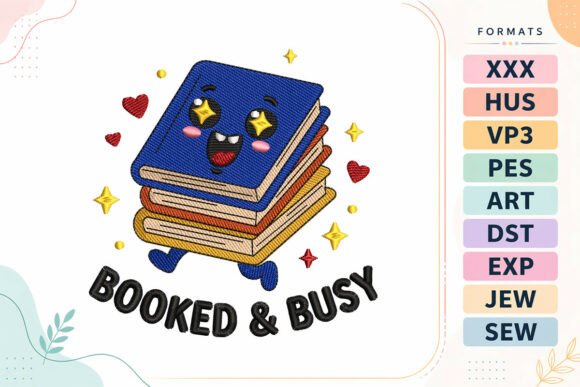
The moment I loaded the Kawaii Book Back to School file into my software, the mood was unmistakable. It is undeniably cute, playful, and modern. The description promises a "kawaii stack of books with sparkling eyes, cute facial details, hearts, and stars," and the visual delivery matches this promise perfectly. For a Back To School collection, this hits the sweet spot between educational and whimsical. It does not feel rustic or farmhouse; instead, it leans heavily into a vibrant, youthful energy that appeals to students, teachers, and parents alike.
From a booth display perspective, this design screams "joy." In a sea of generic apples and pencils, a stack of books with personality stands out. The facial details give the object life, making it an emotional purchase rather than just a functional one. When customers see a smiling book, they smile back. That immediate emotional connection is crucial for converting browsers into buyers at a craft fair.
Product Versatility: Where This Design Shines
The true test of any embroidery file is its versatility. Can it work on multiple substrates? I evaluated the Kawaii Book Back to School across several potential products to determine its highest value applications.
- Tote Bags: This is arguably the strongest application. A canvas tote with this design centered becomes an instant tote bag design favorite for librarians and book lovers. The flat surface allows the details to shine without distortion.
- Aprons: For teacher gifts, an apron embroidery project featuring this stack of books is a winner. Placed on the bib or the lower skirt, it adds character to a practical item.
- Tea Towels: A tea towel embroidery piece makes for an affordable impulse buy. However, caution is needed regarding fabric texture, which I will address later.
- Embroidered Patches: Creating an embroidered patch allows for batch production. These can be sold individually or used to embellish other items like jackets or backpacks, increasing the perceived value of the finished product.
- Caps and Pouches: While possible, these require careful placement. The curved surface of a cap can distort the facial features if the hoop tension is not perfect.
For Etsy sellers and online boutique owners, this design also translates well into digital mockups. A high-quality printable mockup showing the design on a cozy reading nook pillow or a student’s backpack can drive significant click-through rates.
Production Practicality and Stitch Density
When running a small shop, time is money. I looked closely at the stitch density and layout of the Kawaii Book Back to School design. The inclusion of hearts and stars suggests varied thread paths, which can add visual interest but also increase run time. As a producer, you must check the design assets and preview the stitch count. If the density is too high for lightweight fabrics, you risk puckering.
One major advantage of this kawaii style is that it often uses satin stitches for outlines and fill stitches for the book covers. This creates a raised, tactile quality that customers love to touch. However, the "sparkling eyes" and small facial details require precision. If the hoop size is too large relative to the design, the machine may struggle with registration on smaller elements. I recommend testing this on scrap fabric first to ensure the tiny stars do not turn into blobs of thread.
Batch production is feasible here. Once you dial in the tension and stabilizer for one tote bag, you can replicate it quickly. This repeatability is essential for preparing inventory before a big market weekend.
Careful-Use Notes: Avoiding Common Pitfalls
Even the cutest design can fail if produced incorrectly. Here are my critical warnings for using this digital embroidery file:
- Fabric Texture: Avoid highly textured towels or rough linen. The fine details of the eyes and mouths will get lost in the weave. Stick to smooth cottons, canvas, or twill for maximum clarity.
- Dark Fabric: If stitching on dark navy or black, ensure your thread colors have enough contrast. You may need to add a white underlay or adjust the design brightness in your software to prevent the colors from muddying.
- Small Lettering: If the design includes any text (check your specific file version), ensure it is legible at the intended size. Tiny text often merges together after washing.
- Stabilizer Choice: Do not skimp on stabilizer. For stretchy fabrics like t-shirts or thin tote bags, use a cut-away stabilizer to support the weight of the book stack. For woven fabrics like aprons, a tear-away may suffice, but test first.
Boosting Brand Consistency and Buyer Engagement
Incorporating Kawaii Book Back to School into your lineup helps build a cohesive brand identity if you are targeting the education or literary niche. It signals that your brand is fun, approachable, and quality-focused. When displayed in a booth, group this item with other reading-themed products to create a "zone" that attracts a specific type of buyer. This thematic clustering increases dwell time and buyer engagement.
For commercial embroidery purposes, this design offers high perceived value. It looks complex due to the multiple elements (books, faces, stars), yet it is manageable for intermediate machines. This balance allows you to price your craft fair product competitively while maintaining healthy margins.
Final Designer Verdict
Before you launch your production run, take these final steps. First, confirm the commercial licensing terms included with your purchase. Never assume; always verify that you are allowed to sell finished physical goods. Second, create at least one real-life sample. Photos of the actual stitched item will always outsell a digital render because customers want to see the thread texture and color accuracy.
The Kawaii Book Back to School design is a strong contender for the upcoming season. It captures the excitement of learning through a lens of adorable simplicity. By paying attention to fabric choice, stabilizer support, and strategic product placement, you can turn this small shop product into a staple of your inventory. Whether you are an experienced Etsy seller or a new crafter testing the waters, this design offers the charm and versatility needed to succeed in today’s handmade market.