Review: Back to School Rocket Books Design
As a designer who has spent countless hours hooping, stitching, and troubleshooting, I approach every new machine embroidery design with a mix of curiosity and caution. We all know that a pretty preview image does not always translate to a clean finished product. When I first loaded the Back to School Rocket Books file into my software, I was looking for more than just cute aesthetics. I wanted to see if this design could hold up under the scrutiny of a paying customer and the mechanical realities of an embroidery machine.
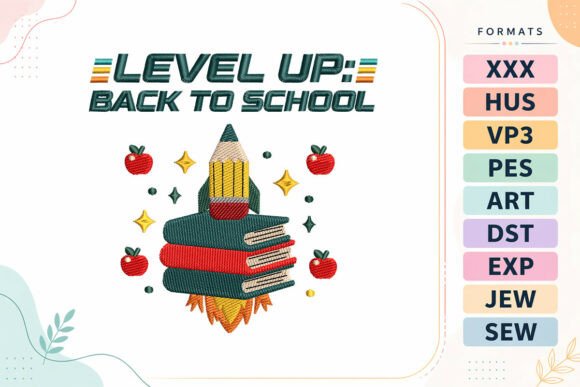
The concept is charming: stacked books transforming into a rocket ship, complete with a pencil topper and apples. It captures that specific moment of excitement when summer ends and the adventure of learning begins. But charm alone does not sell handmade products. Execution does. Here is my practical breakdown of how this design performs in real-world scenarios, from Etsy seller listings to actual stitched items.
First Impressions and Visual Balance
The immediate appeal of Back to School Rocket Books lies in its vertical composition. This is crucial for certain applications. Unlike wide, horizontal logos that struggle on narrow items like hat brims or sleeve cuffs, this rocket shape has a natural upward momentum that fits well on chest pockets, tote bag centers, and even the legs of baby pants. The visual personality is playful yet structured. It does not feel chaotic, which is a common pitfall in themed designs that try to cram too many elements into one space.
The layout suggests a thoughtful approach to stitch density. The books provide a solid base, likely utilizing fill stitches to create weight, while the rocket exhaust and pencil details probably rely on satin stitch or finer running stitch work to maintain definition. This contrast is vital. If every element were densely filled, the fabric would pucker, and the design would lose its charm. From a reviewer’s standpoint, the balance between the heavy book base and the lighter upper elements suggests the designer understood how thread builds up on fabric.
Real-World Application: The Tote Bag Test
To truly evaluate an embroidery file, you have to imagine it on a product. I visualized this design on a canvas tote bag design intended for a local teacher’s gift shop. Canvas is sturdy, but it can be unforgiving if the stabilization is off. The Back to School Rocket Books design, with its stacked elements, offers a great opportunity to test color contrast. Using classic primary colors—red apples, yellow pencils, blue books—creates a vibrant look that pops against natural beige canvas.
However, I also considered a more subdued palette for a boutique small shop product. Imagine navy thread on a grey sweatshirt. The silhouette of the rocket-books must remain recognizable even without bright colors. This is where the clarity of the digitizing matters. If the separation between the books and the rocket fins is too tight, the threads might merge, turning distinct shapes into a blob. In my assessment, the spacing appears sufficient for standard home machines, provided you use a quality stabilizer to prevent shifting.
Apparel and Custom Gifts
For custom apparel, such as a child’s first-day-of-school shirt, this design shines. It is gender-neutral enough to appeal to all students, avoiding overly stereotypical motifs. When applying this to knit fabrics like t-shirts or sweatshirt embroidery, the vertical nature of the design helps minimize distortion. Horizontal designs often stretch out wider on knits, but a vertical rocket tends to hold its proportion better. Still, I would recommend using a cut-away stabilizer for any garment that will be washed frequently, ensuring the embroidery project remains crisp over time.
It also works beautifully for baby embroidery items. A onesie or a burp cloth featuring this rocket could be a hit for parents who want something educational but fun. The key here is size. You must check the dimensions of the file before purchasing. If the design is too large, it will overwhelm a small infant garment. If it is too small, the tiny details like the apple stems or pencil erasers might become lost in the stitch texture.
Technical Considerations and Pitfalls
No design is perfect for every situation. There are specific contexts where Back to School Rocket Books requires careful handling. First, consider hoop size. While the design might fit in a 4x4 hoop, stacking elements vertically can sometimes push the limits of smaller frames, especially if you need to re-hoop for larger versions. Always verify the maximum dimensions in the product description before committing to a project.
Second, be cautious with textured fabrics. If you are stitching this on a waffle-knit towel or a fuzzy fleece, the fine details of the pencil topper might get swallowed by the fabric pile. In such cases, consider using an applique design technique if the file supports it, or switch to a smoother fabric like poplin or broadcloth. Dark fabrics present another challenge. If the design relies on subtle shading between the books, it may not show up on black fabric unless you use high-contrast thread colors like white or metallic gold.
Additionally, curved surfaces like caps require extra attention. The rigid structure of the books might not conform well to the front panel of a baseball cap unless the design is scaled down significantly. For hats, I would suggest testing a smaller version to ensure the stitch density does not cause the cap material to buckle or warp.
Commercial Viability and Brand Consistency
For craft business owners and digital embroidery file sellers, the versatility of this design adds value. It fits seamlessly into holiday embroidery collections for late summer and early fall. It can be marketed as part of a "Level Up" series, appealing to parents and teachers alike. The professional look of the design enhances brand consistency. When customers see a clean, well-digitized motif, they trust the quality of the entire personalized gift.
Using this in commercial embroidery projects allows for creative pricing. Because the design is thematic and timely, it can command a higher price point during the back-to-school rush. However, always confirm the licensing terms. Just because a design is beautiful does not mean it is free for unlimited commercial use. Check whether the license covers finished items, digital products, or both.
Final Designer Notes
Before you start stitching your final inventory, take these practical steps. First, run a test stitch on scrap fabric that matches your final product’s weight and texture. This allows you to check for thread breaks or tension issues without risking good material. Second, view the design in black and white on your screen. This strips away the distraction of color and reveals the true structural integrity of the digitizing. If the shapes are distinct in grayscale, they will look good in color.
Finally, inspect the small details. Zoom in on the apples and the pencil tip. Are there excessive jump stitches? Is the underlay sufficient to support the top stitches? These minor technical details separate amateur designs from professional design assets. The Back to School Rocket Books design shows promise as a reliable, engaging option for your autumn lineup. With proper stabilization and thoughtful fabric selection, it can elevate your Etsy listings and delight your customers. Treat it with the care it deserves, and it will serve your business well.