Cute Reading Bee Embroidery: A Designer’s Review
As an embroidery designer who has spent years digitizing and reviewing files for commercial use, I approach every new machine embroidery design with a critical eye. It is not just about whether a motif looks cute on a screen; it is about how it translates to fabric, how it holds up in production, and ultimately, how it serves the brand identity of the small business owner using it. Recently, I had the opportunity to evaluate the Cute Reading Bee Embroidery, a design that promises to add a touch of studious charm to various projects. For small business owners, Etsy sellers, and apparel decorators, understanding the practical application of this file is crucial before committing to bulk production.
First Impressions: Visual Personality and Appeal
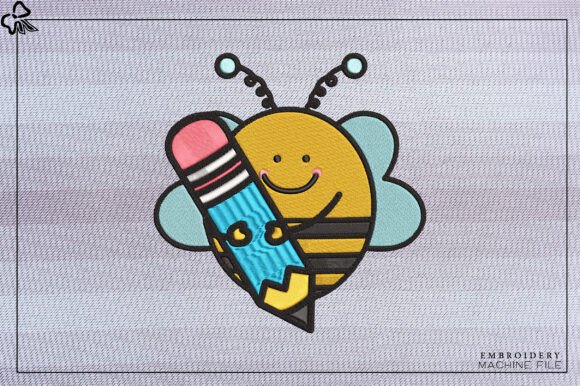
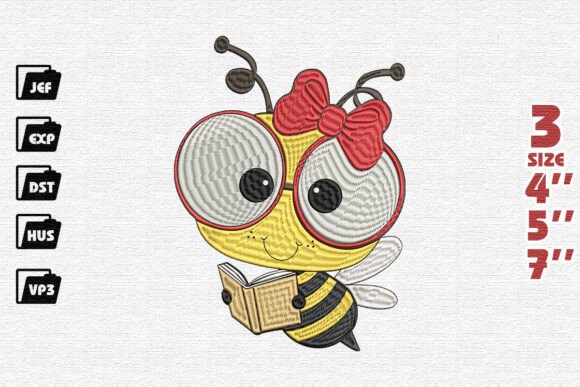
The first thing that strikes you about the Cute Reading Bee Embroidery is its inherent friendliness. The description highlights a sweet, wide-eyed honeybee sporting stylish oversized glasses, which immediately sets a tone that is playful yet intellectual. In the context of design psychology, this combination works exceptionally well for brands that want to appear approachable, knowledgeable, and warm. It does not scream "corporate sterile"; instead, it whispers "handmade care."
For those in the Back To School market, this design is a natural fit. However, its appeal extends far beyond the classroom. The aesthetic is versatile enough to work for boutique bookstores, cozy cafés, creative studios, and even pet brands that want to emphasize intelligence or training. The visual weight of the bee, combined with the accessory of the glasses, creates a focal point that is distinct without being overly aggressive. It feels modern but retains a classic, storybook quality that resonates with customers looking for unique, handmade product experiences.
Real-World Business Applications
When I review a digital embroidery file, I always ask: "Where does this live on a garment or accessory?" The Cute Reading Bee Embroidery shines in several specific commercial applications. Here is how I envision it performing in a real-world small business scenario:
- Embroidered Patches: This is perhaps the strongest use case. The design’s contained shape makes it ideal for die-cut or merrowed edge patches. These can be sold as standalone items or used as branded labels on tote bags and jackets.
- Staff Uniforms and Aprons: For a local bakery or bookstore, placing this bee on the chest pocket of an apron embroidery project adds personality. It humanizes the staff and creates a memorable visual anchor for customers.
- Cap Embroidery: Placed on the side panel or slightly off-center on the front, the bee works well for cap embroidery. It avoids the heaviness of large logos, offering a subtle nod to the brand’s theme.
- Tote Bag Design: Shoppers love branded merchandise that is usable. A tote bag design featuring this bee appeals to students and literary enthusiasts alike, turning customers into walking billboards.
- Customer Gifts: Small businesses often include freebies with orders. A small embroidered bookmark or pouch featuring this bee adds perceived value and encourages social media sharing.
The versatility of this design allows it to function as both a primary logo accent and a decorative element. For custom apparel lines, it can be scaled down for sleeve details or scaled up for back prints, provided the digitization supports the size change.
Technical Considerations for Production
While the aesthetic is charming, the technical execution is where many designs fail in a commercial setting. As a designer, I must advise caution regarding stitch density and detail retention. The "oversized glasses" mentioned in the description are a potential risk area. If the stitch count is too high in these small circular areas, the thread can bunch up, obscuring the eyes and ruining the "cute" expression. Conversely, if the density is too low, the fabric may show through, breaking the visual continuity.
Here are critical technical factors to check before running a full production batch:
- Fabric Texture: Test the design on the actual material you intend to use. Terry cloth towels will swallow small details, while smooth polycotton blends will render them sharply. The Cute Reading Bee Embroidery likely performs best on medium-weight fabrics with a tight weave.
- Stabilizer Selection: Using the correct stabilizer is non-negotiable. For stretchy fabrics like t-shirts, a cut-away stabilizer is essential to prevent distortion. For woven fabrics like tote bags, a tear-away may suffice, but hooping tension must be precise.
- Thread Colors: Contrast is key. Ensure the thread colors chosen for the bee’s body contrast sufficiently with the glasses and the background fabric. A dark bee on a navy uniform might disappear, so consider outlining or adjusting shades for visibility.
- Hoop Size: Confirm the required hoop size matches your machine’s capabilities. While this design is likely small, ensure you have the appropriate hoop for multi-positioning if you are doing gang runs on caps or sleeves.
It is vital to note that I do not have the exact stitch count or file format specifications for this specific instance. Always check these details in the product listing before purchase. A design that looks great at 4 inches may lose integrity when shrunk to 1.5 inches for a hat.
Brand Identity and Customer Trust
Beyond the needle and thread, embroidery plays a pivotal role in building brand identity. Consistency in visual assets builds trust. When a customer sees the same high-quality Cute Reading Bee Embroidery on your website’s printable mockup, your packaging, and their purchased item, it reinforces professionalism. It signals that you care about the details.
For small business merch, this level of polish differentiates you from drop-shippers using generic prints. Embroidery has a tactile premium quality. It suggests durability and craftsmanship. By integrating this design into your design assets, you are not just selling a product; you are selling an experience. The "studious charm" of the bee aligns with values of learning, curiosity, and care, which can deepen emotional connections with your audience.
Final Verdict and Designer Notes
The Cute Reading Bee Embroidery is a strong contender for businesses targeting educational, literary, or cozy lifestyle niches. Its success, however, depends on rigorous testing. Before launching any commercial embroidery campaign, I recommend the following workflow:
First, stitch out a test sample in black and white. This removes the distraction of color and allows you to inspect the spacing and outline clarity. Check if the glasses remain distinct and if the bee’s eyes are expressive. Next, create a printable mockup to show clients or stakeholders how it looks on various items. Compare it beside your other design assets to ensure visual consistency.
Finally, confirm the commercial licensing terms. Ensure that the embroidery file purchase grants you the right to sell finished products. Once these boxes are checked, this design can be a delightful addition to your catalog, offering a blend of whimsy and professionalism that resonates with modern consumers. Whether for Back To School promotions or year-round boutique sales, this bee has the potential to become a recognizable mascot for your brand.