Review: Machine Embroidery Backpack Design
As an embroidery designer who spends countless hours digitizing and testing files for commercial use, I am always on the lookout for designs that balance visual appeal with technical reliability. When I recently came across the Machine Embroidery Backpack Design on Creative Fabrica, it immediately caught my eye. The promise of a fun, colorful motif tailored for kids’ projects is exactly what many of us need as we approach the busy Back To School season. However, a pretty preview image is not enough for a professional. We need to know how a design behaves under the needle, how it translates to different fabrics, and whether it adds genuine value to our handmade product lines.
First Impressions and Visual Appeal
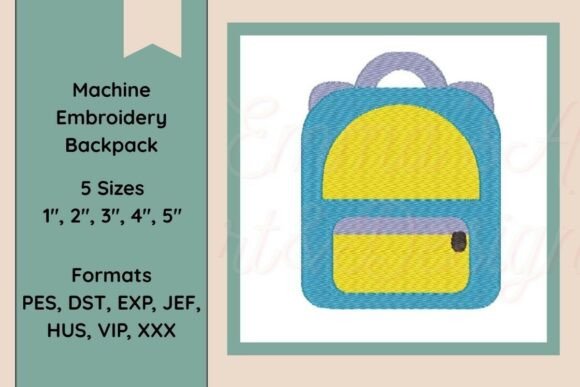
The first thing you notice about this machine embroidery design is its cheerful simplicity. It features a child’s backpack rendered in simple shapes with bright stitching intentions. For designers, this is a crucial starting point. Complex, overly detailed designs often fail on smaller items or when scaled down, but this design appears to prioritize clarity and boldness. The visual mood is playful and inviting, making it an ideal candidate for personalized gifts and juvenile apparel.
The use of simple shapes suggests that the digitizer likely utilized a combination of satin stitch for outlines and borders, and fill stitch for the larger color blocks. This approach is generally safer for production because it reduces the risk of thread breaks and minimizes pull on the fabric. The decorative appeal lies in its versatility; it does not look overly masculine or feminine, which broadens its market potential for Etsy sellers and boutique owners looking for gender-neutral options.
Performance in Real-World Projects
When considering a new embroidery file, I always mentally run through a list of potential applications. Here is how I see the Machine Embroidery Backpack Design performing in various real-world scenarios:
- Custom Apparel: This design would shine on children’s t-shirts and polo shirts. The bright colors stand out well against white or pastel fabrics, which are staples in kids' wardrobes.
- Tote Bag Design: Canvas tote bags are incredibly popular for school supplies. The sturdy nature of canvas supports the stitch density of a backpack motif perfectly, creating a durable and cute accessory.
- Sweatshirt Embroidery: Applying this to fleece or cotton-blend sweatshirts requires careful attention to stabilizer, but the result is a cozy, high-value item that parents love to buy for their little ones.
- Embroidered Patch: Because the design features defined shapes, it is an excellent candidate for creating iron-on or sew-on patches. You can stitch it out on twill, cut it out, and finish the edges with a dense satin border.
- Nursery Decor: Beyond clothing, this motif works beautifully on pillow covers or wall hangings, adding a thematic touch to a child’s room without being overwhelming.
For those of us running small businesses, the ability to use one design across multiple product categories is a significant advantage. It allows for brand consistency while offering variety to your customers.
Technical Considerations for Stitching
While the design looks promising, successful execution depends on handling the technical aspects correctly. Here are some practical notes based on my experience with similar Creative Fabrica embroidery assets:
Fabric Selection and Stabilization: Since this is a colorful design likely intended for kids' items, you will probably be stitching on cotton, polyester blends, or fleece. For stretchy fabrics like jersey knits used in t-shirts, a cut-away stabilizer is non-negotiable to prevent distortion. For woven fabrics like canvas tote bags, a tear-away stabilizer may suffice, but I always recommend testing first. If you are stitching on dark fabric, ensure your thread colors have enough contrast, or consider using a lighter backing thread to prevent show-through.
Hoop Size and Placement: The description mentions "simple shapes," which often implies the design might fit in smaller hoops, such as 4x4 or 5x7 inches. This is beneficial for cap embroidery or small accessories like pencil cases. However, always confirm the specific hoop size requirements in the product details before purchasing. If you plan to place this on a curved surface like a cap, you must use a cap frame and appropriate stabilizer to avoid puckering.
Stitch Density and Texture: Designs with large fill areas can sometimes become dense, leading to stiffness in the finished product. If you are stitching on a lightweight fabric, check the stitch density settings in your software if possible, or choose a softer thread like rayon to add sheen and flexibility. Inspect small details after stitching a test sample to ensure that the transition between color blocks is clean and that there are no excessive jump stitches that need trimming.
Enhancing Product Value and Brand Trust
Using high-quality design assets directly impacts your bottom line. A well-executed Machine Embroidery Backpack Design can elevate a basic tote bag into a premium, giftable item. When customers see clean stitching, vibrant thread colors, and a cohesive design, their trust in your brand increases. This is particularly important for commercial embroidery where repeat business relies on quality consistency.
Furthermore, this type of design is highly photogenic. For online sellers, creating a printable mockup or staging a photoshoot with the finished product is easier when the design is bold and recognizable. Bright, cheerful images engage customers on social media and can drive traffic to your Etsy listings or handmade shop. It transforms a simple piece of fabric into a story—a ready-to-go school companion for a child.
Practical Steps Before You Stitch
Before you commit to a large production run or a customer order, follow these essential steps to ensure success with this digital embroidery file:
- Test on Scrap Fabric: Always stitch a sample on the same type of fabric you intend to use for the final product. This helps you identify any tension issues or registration errors.
- Check Thread Color Contrast: Review the suggested color chart provided with the download. Feel free to customize the thread colors to match your brand palette or seasonal trends, but ensure there is enough contrast between adjacent colors.
- Verify File Details: Check the Creative Fabrica product page for specific file formats (such as PES, DST, JEF, etc.) to ensure compatibility with your embroidery machine.
- Review Licensing Terms: If you plan to sell finished items, confirm the license terms. Most Creative Fabrica designs allow for commercial use of finished physical products, but it is vital to read the specific license included with the download to stay compliant.
- Inspect After Washing: If the final product is intended for frequent washing, such as a school shirt or apron, wash and dry your test sample to check for shrinkage or thread bleeding.
Final Thoughts
The Machine Embroidery Backpack Design offers a delightful blend of simplicity and charm that fits perfectly into the Back To School category. For embroidery designers, Etsy sellers, and crafters, it represents a versatile asset that can be applied to a wide range of products, from custom apparel to home decor. By paying attention to stabilizer choice, fabric type, and stitch quality, you can transform this digital file into a high-quality handmade product that delights customers and strengthens your brand. As with any design, the key to success lies in thoughtful execution and attention to detail. If you are looking to expand your collection with fun, kid-friendly motifs, this design is certainly worth considering for your next project.