Review: Red Apple Embroidery DST PES Pattern
As an embroidery designer who has spent countless weekends behind a craft fair table, I know that not every machine embroidery design is created equal. Some look fantastic on a screen but fail to capture attention in person. Others are so complex they take hours to stitch, eating into your profit margins. When I pulled up the Red Apple Embroidery DST PES Pattern for a recent project, I was looking for something that could carry weight in a busy booth environment. I needed a design that screamed quality, simplicity, and immediate recognition.
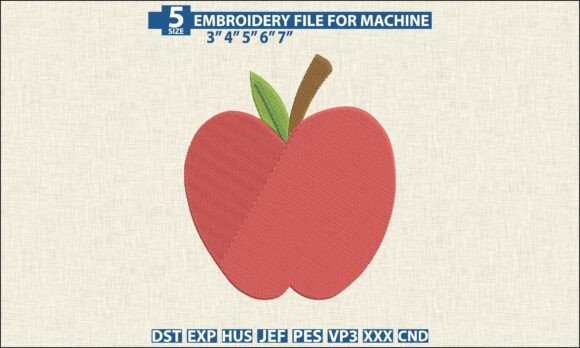
The first impression of this pattern is undeniably classic. It does not try to be overly modern or abstract. Instead, it leans into a timeless aesthetic that feels both rustic and clean. For those of us selling handmade products, this is a crucial distinction. A design that is too trendy might sell well for a month, but a classic motif like a red apple with a green leaf has staying power. It fits seamlessly into the Back To School season, yet it transitions effortlessly into kitchen decor and teacher appreciation gifts year-round.
Visual Appeal and Booth Presence
When you are setting up a display, you have seconds to catch a passerby’s eye. The Red Apple Embroidery DST PES Pattern excels here because of its high contrast. The vibrant red against a neutral fabric background creates a focal point that draws the eye immediately. In my experience, customers are drawn to items that look "finished" and professional. This design avoids the cluttered look that sometimes plagues digital files, offering a clean silhouette that reads well from a distance.
I tested this design on several items for my mock-up phase. On a natural linen tote bag design, the apple looked charming and substantial. It did not get lost in the weave of the fabric. However, when I moved to a textured waffle-weave towel, I noticed that the finer details of the leaf required careful tension adjustments. This is a common challenge with embroidery file usage on textured materials. The design holds up well, but it demands respect for the fabric texture you choose. For a craft fair, I recommend sticking to smooth cottons or tight-weave canvases to ensure the stitches pop without sinking into the material.
Versatility Across Product Lines
One of the strongest assets of this pattern is its adaptability. As a small shop product creator, you need designs that can work across multiple categories to maximize your inventory efficiency. Here is how I see this design performing across different items:
- Apron Embroidery: Placed on the bib of a canvas apron, the apple becomes a statement piece. It appeals strongly to home cooks and teachers alike.
- Tea Towel Embroidery: A smaller version of the design works beautifully on corner placements. It turns a basic kitchen towel into a giftable item.
- Embroidered Patch: If you offer patches, this design is ideal. The solid fill areas provide durability, making it perfect for iron-on applications.
- Caps and Hats: Curved surfaces are tricky. While the design is clean, you must check the hoop size compatibility. Ensure the design width fits within the curved hoop limits to avoid distortion.
- Pillow Covers: Centered on a square pillow, it adds a touch of farmhouse charm without overwhelming the room’s decor.
For Etsy sellers and digital creators, this versatility means you can create multiple listings from a single purchase. You can market it as part of a teacher gift bundle, a kitchen refresh collection, or a back-to-school apparel set. This increases the perceived value of the digital embroidery file and encourages bulk purchases from other crafters.
Production Practicality and Stitch Density
From a production standpoint, time is money. I always evaluate a new design based on its stitch density. If a design is too dense, it can cause puckering, especially on lighter fabrics. If it is too sparse, the fabric shows through, looking cheap. The Red Apple Embroidery DST PES Pattern appears to strike a balance. The red fill is solid enough to look premium but not so heavy that it requires excessive stabilizer.
However, there are careful-use notes to consider. The green leaf, while a nice accent, contains smaller details. If you scale this design down too much for a small pouch or a child’s collar, those details may lose clarity. I advise testing the design at your intended size on scrap fabric before committing to a full batch. Check the thread contrast as well; using a dark green on a black fabric will render the leaf invisible. Always aim for high contrast to maintain the design’s integrity.
Another critical factor is the stabilizer. For tote bags and aprons, a cut-away stabilizer is often best to support the weight of the stitches over time. For tea towels, a tear-away might suffice, but test for residue. Poor stabilization can ruin an otherwise perfect finished product, leading to returns or negative reviews.
Marketing and Customer Engagement
How does this design help you sell? It taps into nostalgia and utility. The apple is a universal symbol of education and health. By using this design, you are not just selling embroidery; you are selling a sentiment. For commercial embroidery businesses, this means you can target specific niches effectively. Create a printable mockup showing the design on a teacher’s tote bag with the text "Thank You" added separately. Show it on a lunchbox for a child. These visual cues help buyers imagine the product in their lives.
Brand consistency is also easier to maintain with such a clean design. It does not clash with other patterns in your shop. Whether your brand is minimalist, rustic, or colorful, the red apple adapts. It allows you to build a cohesive look across your design assets and physical inventory.
Designer Tips for Best Results
To get the most out of the Red Apple Embroidery DST PES Pattern, follow these practical steps:
- Test on Scrap Fabric: Never skip this step. Verify that the tension is correct and the threads do not break.
- Check Thread Colors: Use a vibrant red and a fresh green. Dull threads will make the design look aged rather than classic.
- Confirm Hoop Size: Ensure your machine’s hoop can accommodate the design dimensions without re-hooping.
- Inspect Stitch Density: Look for any areas where stitches overlap excessively, which can cause bunching.
- Create Real Mockups: Photograph the actual stitched item, not just the digital file. Customers want to see the texture and reality of the craft fair product.
- Verify Licensing: Before selling any finished product, confirm the commercial license terms included with the file. Most designers allow finished goods sales, but always double-check.
In conclusion, the Red Apple Embroidery DST PES Pattern is a strong contender for any embroidery business owner looking to expand their Back To School or kitchenware lines. It is simple enough for quick production yet detailed enough to look premium. By paying attention to fabric choice, stabilization, and placement, you can turn this digital file into a best-selling staple in your shop. It is a reminder that sometimes, the most effective designs are the ones that honor tradition while delivering modern quality.