Reviewing Teacher Appreciation Patches Embroidery
As a designer who spends more time staring at stitch simulations than I do sleeping, I have learned that not every digital file translates well to fabric. We have all been there: you download a cute machine embroidery design, load it onto your hoop, and watch in horror as the thread bunches up or the details vanish into the weave. That is why I take new assets seriously. Recently, I evaluated the Teacher Appreciation Patches Embroidery collection, specifically looking at how these pencil and bow motifs hold up in real-world applications. This is not just about whether it looks good on a screen; it is about whether it sells, stitches cleanly, and satisfies the end customer.
First Impressions and Visual Personality
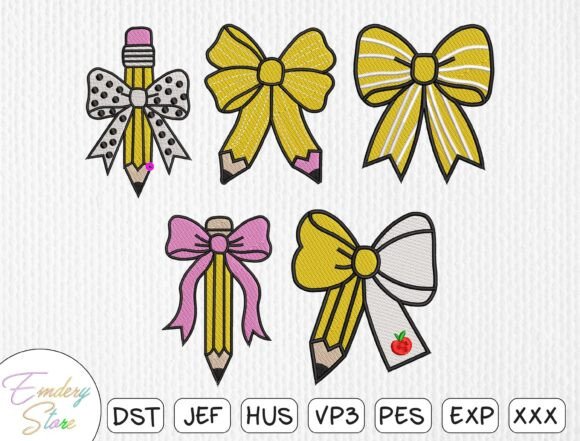
The moment I opened the preview files for this set, the mood was unmistakably cheerful and nostalgic. The combination of classic yellow pencils with decorative bows creates a visual language that screams "back to school" without being overly childish. For a designer, this balance is crucial. If a design is too juvenile, it limits your market to preschools. If it is too formal, it loses the warmth needed for a heartfelt gift. These designs sit comfortably in the middle, making them versatile for various age groups.
The layout of each design in the set feels intentional. The pencils are not just static objects; they are integrated with the bows in a way that suggests movement and flair. When evaluating an embroidery file, I always look at the flow. Does the eye travel naturally across the design? In this case, the curvature of the ribbons guides the viewer’s gaze, which helps mask any minor registration issues that might occur during stitching. The visual personality is polished yet approachable, which is exactly what you want for a product intended to show gratitude.
Real-World Application: The Tote Bag Test
To truly understand the value of these assets, I imagined a specific scenario: creating a custom tote bag for a local elementary school’s end-of-year teacher gifts. This is a common request for Etsy sellers and craft business owners. The goal was to create something durable, stylish, and personal. I selected one of the five unique designs from the set to test mentally against a canvas tote background.
Canvas has a distinct fabric texture that can swallow small details if the stitch density is too low. However, the bold lines of the pencil shafts in this design suggest they would hold up well. The bows, likely utilizing a mix of satin stitch and fill stitch, would provide a nice textural contrast against the flat weave of the bag. I could easily see this working as a central focal point on a natural-colored tote, perhaps paired with the teacher’s name in a complementary font. The charm of the design elevates a simple bag into a cherished keepsake.
Versatility Across Products
Beyond tote bags, the versatility of this embroidery project is impressive. Consider sweatshirt embroidery. A crewneck sweatshirt in heather grey or navy would provide a perfect backdrop for the bright yellow of the pencil. The design’s scale seems appropriate for the left chest area, offering a subtle nod to the profession without being overwhelming. For baby embroidery projects, such as a diaper bag or a onesie for a teacher’s own child, the playful nature of the bows adds a softness that appeals to parents.
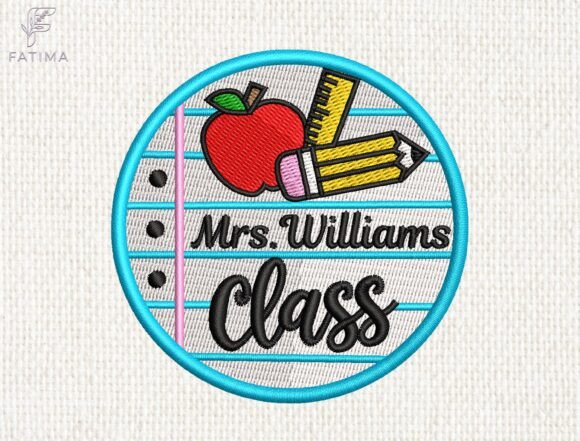
I also see strong potential for embroidered patch creation. Patches are trending heavily in the handmade market right now. By stitching this design onto twill or felt and cutting it out with a merrowed edge, you create a movable asset that teachers can pin onto blazers, backpacks, or lanyards. This increases the perceived value of the finished product significantly. It transforms a single-use item into a collectible accessory.
Technical Considerations and Stitching Reality
While the aesthetic is strong, we must talk about the technical execution. Any experienced embroiderer knows that complexity brings risk. The intersection where the bow meets the pencil is a critical area. If the digital embroidery file has poor underlay or excessive jump stitches, this area could become bulky. I recommend running a test stitch-out on scrap fabric that matches your final material. This is non-negotiable for professional results.
Pay close attention to the thread colors. The yellow of the pencil needs to pop, but it must not clash with the bow colors. I suggest using a high-sheen rayon or polyester thread for the bows to catch the light, while a matte cotton might work better for the pencil wood texture, depending on the desired look. Contrast is key. If you are stitching on dark fabric, ensure the design elements are bright enough to stand out. If you are working on white or light fabrics, consider using a darker outline or shadow effect if the design allows, to prevent it from washing out.
Navigating Fabric and Hoop Constraints
Where should you use caution? Small hoop sizes can be tricky if the design is dense. Always check the dimensions provided in the file package to ensure it fits your machine’s capabilities. For textured fabrics like terry cloth or fluffy fleece, the fine details of the pencil tip might get lost. In these cases, using a cut-away stabilizer is essential to keep the stitches from sinking into the pile. Additionally, avoid placing this design on highly stretchy fabrics without proper stabilization, as the satin stitches in the bows may pucker over time.
Curved surfaces, such as caps, require careful positioning. The rigid shape of the pencil might distort if stitched too close to the seam of a baseball cap. I would recommend placing it on the front panel, centered, where the fabric is flattest. For holiday embroidery or seasonal items, remember that teachers appreciate gifts year-round, not just in August. This design works for Christmas gifts, end-of-year parties, and even retirement celebrations.
Business Value and Customer Perception
From a business perspective, the Teacher Appreciation Patches Embroidery set offers high ROI. Teachers are a massive demographic for personalized gifts. They buy for each other, parents buy for them, and schools buy in bulk. A design that looks professional and thoughtful builds customer trust. When a buyer sees a clean, well-digitized image in your printable mockup or listing, they perceive higher quality.
For small shop product lines, consistency is vital. Using a cohesive set of designs allows you to create a branded collection. You can offer matching sets: a tote, a mug wrap, and a keychain fob, all featuring variations of the pencil and bow motif. This encourages larger basket sizes. Furthermore, because the design is charming and universally understood, it reduces the cognitive load for the buyer. They instantly know what it is and who it is for, which speeds up the decision-making process.
Final Designer Notes
Before you commit to production, there are a few final checks. First, confirm the licensing terms. Most designers allow commercial use for finished physical items, but you must verify if you can resell the design assets themselves. Second, inspect the file formats. Ensure you have the correct format for your machine, whether it is PES, DST, or EXP. Third, consider the applique design possibilities. If the set includes applique versions, they can save thread and reduce stitch time, which is great for high-volume orders.
In conclusion, this collection is a solid addition to any commercial embroidery library. It balances whimsy with professionalism, making it ideal for a wide range of custom apparel and accessories. By paying attention to fabric choice, stabilizer type, and thread contrast, you can turn these digital files into high-quality, best-selling items. The key is to treat the design with respect, testing it thoroughly to ensure that the final stitch-out matches the promise of the preview. Happy stitching.