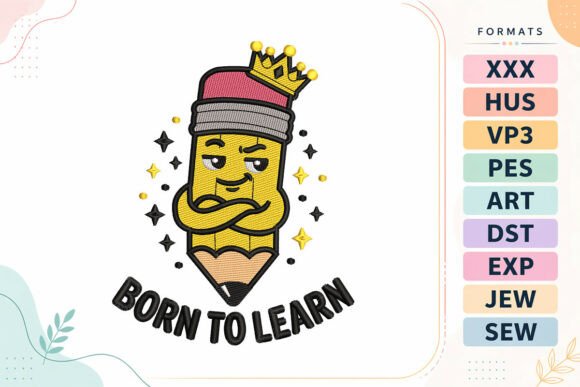
Student Pencil Back to School: A Designer’s Review
As an embroidery designer who has spent years digitizing for small businesses, I approach every new machine embroidery design with a critical eye. It is not enough for a motif to look cute on a screen; it must perform under the needle, hold up in the wash, and elevate the brand it represents. Today, I am reviewing the Student Pencil Back to School design, specifically analyzing its potential for commercial use in branded merchandise and professional apparel.
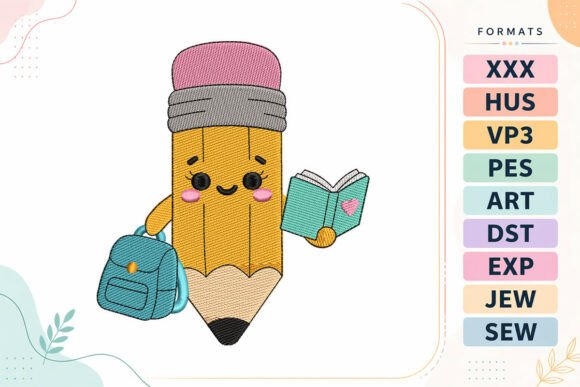
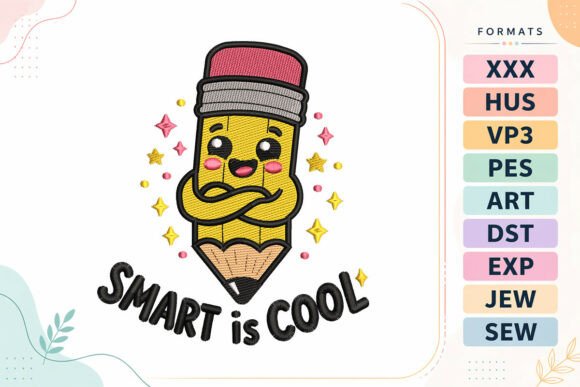
The product description highlights a "Born To Learn" theme, featuring a cool kawaii pencil character with folded arms, a stylish crown, and a playful facial expression. At first glance, this design leans heavily into the playful and decorative end of the spectrum. For a business owner, this immediate visual personality is crucial. It signals approachability, creativity, and youthfulness. However, the challenge lies in translating this whimsical aesthetic into a professional asset that builds trust rather than appearing merely juvenile.
First Impressions and Visual Personality
When I load the digital embroidery file into my editing software, the first thing I check is the balance between detail and stitch efficiency. The kawaii style typically relies on bold outlines and simplified shapes, which is excellent for embroidery. Complex gradients do not translate well to thread, but solid blocks of color and clear lines do. The "folded arms" and "crown" elements suggest a character with attitude, which can be a powerful tool for brand identity. It moves beyond generic clip art and offers a mascot-like quality.
For the Back To School category, this design hits the mark by being energetic without being chaotic. The "spa" mention in the description likely refers to a relaxed or polished finish, implying that the digitizing should be clean. A clean finish is non-negotiable for commercial embroidery. If the satin stitches are too wide or the fill density is too high, the fabric will pucker, ruining the professional look. My initial assessment is that this design has strong potential for boutique merchandise, provided the digitizer has optimized the stitch paths for stability.
Real-World Applications for Small Business Merch
Let us move beyond theory and discuss where Student Pencil Back to School actually works in a business context. I often advise clients to think of embroidery as a tactile extension of their logo. Here is how this specific design performs across various products:
- Embroidered Patches: This is perhaps the strongest application. A kawaii pencil character makes for an excellent iron-on or sew-on patch. Patches allow you to control the backing and stabilizer independently of the garment, ensuring a crisp result. You can sell these as standalone items or use them to upgrade plain tote bags and denim jackets.
- Custom Apparel and Uniforms: For tutoring centers, art supply shops, or creative studios, this design works well as a chest logo accent. It is small enough to sit neatly on the left breast of a polo shirt or apron without overwhelming the wearer. However, avoid placing it on the back of large jackets unless it is significantly scaled up, as small details will get lost.
- Cap Embroidery: Caps are tricky due to the curved surface and limited space. The "stylish crown" element of the pencil character might conflict with the cap's structure if placed too high. I recommend testing this on a unstructured dad hat first. Ensure the stitch density is low enough to prevent the cap from flattening or warping.
- Tote Bag Design: Canvas totes are a staple for handmade brands. The bold lines of the pencil character will pop against natural cotton canvas. This serves as both functional packaging and a walking advertisement for your shop.
- Apron Embroidery: For bakeries or craft workshops, an apron with this design adds a touch of personality to staff uniforms. It suggests that the business is fun and educational, aligning perfectly with the "Born To Learn" message.
Critical Considerations for Production
While the design is charming, there are areas where caution is required. As a professional, I must point out the risks associated with small-scale production. The "playful facial expression" and "folded arms" involve fine details. If you attempt to embroider this at a very small size, such as on a child’s sock or a tiny label, these features may merge into a blob of thread. Always check the minimum recommended size provided with the embroidery file.
Furthermore, consider the thread colors. Kawaii designs often use pastels or bright primaries. On dark uniforms, you will need a substantial underlay or a white base layer to ensure the colors remain vibrant. Without proper contrast, the design will look muddy. Also, be mindful of stitch density. If the pencil body is filled with dense satin stitches, it may become stiff. For items that need frequent washing, like staff t-shirts, a lighter fill or column stitch might be more durable and comfortable.
Fabric texture also plays a role. On textured fabrics like terry cloth or heavy fleece, fine details can get lost. In these cases, I recommend using the design on a smooth twill patch instead of direct-to-garment embroidery. This ensures the finished product looks sharp and professional, regardless of the garment material.
Enhancing Brand Identity and Customer Trust
Why does this matter for your bottom line? Because consistent, high-quality embroidery builds brand recognition. When a customer receives a tote bag or shirt with a cleanly stitched Student Pencil Back to School design, they perceive the brand as attentive to detail. It elevates a simple item into a keepsake. For Etsy sellers and crafters, this perceived value allows for higher pricing margins.
Moreover, using a unique character design helps differentiate your small business merch from competitors using generic fonts or clip art. It creates an emotional connection. The "cool" attitude of the pencil character can resonate with students and parents alike, making your brand feel modern and relatable. This visual consistency across patches, caps, and bags reinforces your brand identity every time the item is used.
Practical Designer Notes for Implementation
Before you run a full production batch, follow these steps to ensure success:
- Test in Black and White: Stitch out the design in single-color thread first. This reveals any issues with spacing or stitch direction without the distraction of color. If it looks good in black, it will look great in color.
- Check Hoop Size Compatibility: Confirm that the design fits within your standard hoop sizes. If it requires a large hoop, it may not be suitable for smaller items like caps or pockets.
- Use Proper Stabilizer: For knit fabrics, use a cut-away stabilizer to prevent stretching. For woven fabrics like canvas or twill, a tear-away may suffice. The right stabilizer is crucial for preventing puckering.
- Create a Printable Mockup: Before stitching, place the design on a digital mockup of your product. This helps you visualize scale and placement, allowing for client approval or internal review before wasting thread and fabric.
- Verify Commercial Licensing: Always confirm the license terms of the digital embroidery file. Ensure you have the right to use it for physical goods sold in your store. Most designers offer specific commercial licenses, so read the fine print.
- Compare with Other Design Assets: Place this design next to your existing logo and branding elements. Does it complement them? Does it clash? Consistency is key to a professional presentation.
In conclusion, Student Pencil Back to School is a versatile asset for the right business. It is not just a decorative element; it is a branding tool. By understanding its strengths in patch work and apparel accents, and by respecting its limitations regarding size and fabric, you can create high-value merchandise that customers love. Whether you are running a local boutique or an online handmade shop, this design offers a fun yet professional way to engage your audience. Just remember to test, stabilize, and stitch with precision.