Pencil Machine Embroidery Design Review
As an embroidery designer who has spent years digitizing and reviewing machine embroidery design files for commercial use, I approach every new asset with a critical eye. It is not just about whether a design looks cute on a screen; it is about how it translates to fabric, how it holds up in the wash, and most importantly, how it serves a small business’s brand identity. Recently, I evaluated the Pencil Machine Embroidery Design, a digital file marketed toward back-to-school sewing projects. While the initial description highlights its charm for educational themes, my review focuses on its viability for broader commercial applications, including branded patches, staff uniforms, and boutique merchandise.
First Impressions and Visual Personality
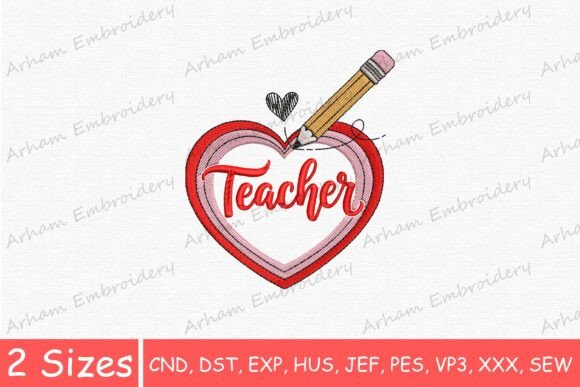
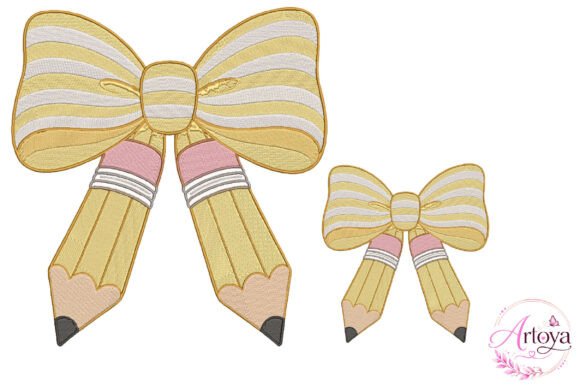
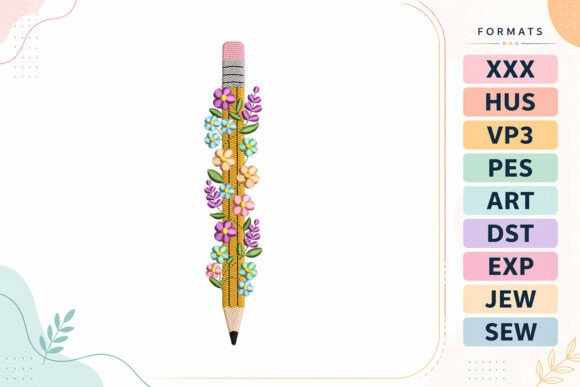
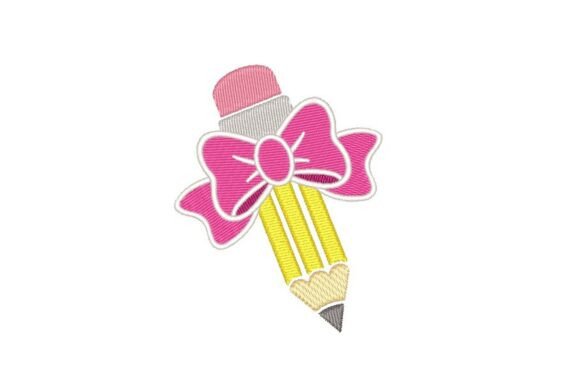
The first thing you notice about this digital embroidery file is its approachable, playful aesthetic. The pencil motif is inherently recognizable, carrying connotations of creativity, learning, and craftsmanship. For a designer, this is a strong starting point because it communicates a clear message without needing complex text. The design feels friendly and handmade, which aligns perfectly with the current market trend toward authentic, artisanal branding. However, "cute" does not always mean "professional." My initial assessment was to determine if the lines were clean enough for corporate use or if they were strictly limited to children’s products. I found that with the right thread choices, this design can bridge the gap between playful and polished, making it versatile for various Work environments, particularly in creative studios, bakeries, or florist shops where a touch of whimsy enhances the customer experience.
Commercial Viability for Small Business Merch
For small business owners, Etsy sellers, and merch creators, the utility of an embroidery file is measured by its adaptability. I tested the concept of this pencil design across several common product categories. Here is how it performs in real-world scenarios:
- Branded Patches: This is perhaps the strongest application. An embroidered patch featuring this pencil can be sewn onto canvas tote bags, denim jackets, or laptop sleeves. It acts as a subtle brand mark rather than a loud logo, appealing to customers who prefer understated branding.
- Staff Uniforms and Aprons: For cafes and boutiques, apron embroidery adds a premium feel to staff attire. Placing this design on the chest pocket or lower corner of an apron creates a cohesive look. It signals attention to detail and reinforces the handmade nature of the products being sold.
- Cap Embroidery: The pencil shape is vertical and linear, which makes it suitable for side-panel embroidery on baseball caps. However, care must be taken with the hoop size and placement to ensure the design does not distort on the curved surface.
- Tote Bag Design: Canvas totes are a staple for retail businesses. This design works well as a central element or as part of a larger composition. Its simplicity ensures that it stitches out quickly, keeping production costs manageable for high-volume orders.
When considering small business merch, consistency is key. This design can serve as a secondary brand asset, complementing a primary logo. It helps build recognition and trust by creating a visual language that customers associate with your brand’s values—creativity, precision, and care.
Technical Considerations and Production Notes
While the aesthetic appeal is high, the technical execution determines the quality of the finished product. As a designer, I always advise checking specific technical details before running a full production batch. The product description notes that the file comes in multiple formats, which is essential for compatibility with different machines. However, it does not specify the exact stitch count or recommended stabilizer type. This is a critical gap that buyers must address.
Here are my practical notes for ensuring success with this design:
- Test on Real Fabric: Never assume a design will look the same on every material. Test the pencil design on the specific fabric texture you intend to use. Dense fabrics like denim may require a cut-away stabilizer, while lighter cottons might need a tear-away to prevent puckering.
- Check Stitch Density: High stitch density can cause fabric distortion, especially on smaller items like patches. Inspect the design at 100% zoom in your embroidery software. If the fills are too dense, consider adjusting the underlay or reducing the density slightly to maintain fabric integrity.
- Thread Color Contrast: The visibility of the pencil depends heavily on thread colors. For dark uniforms, use bright, contrasting threads like yellow or white. For a more subtle, elegant look on light fabrics, consider monochromatic threading using varying shades of gray or beige.
- Size Limitations: Be cautious when scaling down. If the pencil includes fine details or tiny lettering, shrinking it too much for a small patch may result in lost detail. Always create a printable mockup at actual size to verify legibility before stitching.
- Commercial Licensing: Before using this for commercial embroidery projects, confirm the license terms. Ensure you have the right to sell products featuring this design, especially if you are an Etsy seller or a custom apparel provider.
Enhancing Brand Identity Through Embroidery
In the world of custom apparel and branded goods, every stitch contributes to your brand story. Using a well-digitized Pencil Machine Embroidery Design can elevate perceived value. Customers often associate embroidery with higher quality compared to printed graphics. When they see a neatly stitched pencil on a tote bag or apron, it suggests durability and craftsmanship. This perception builds customer trust and encourages repeat business.
Moreover, this design supports visual consistency. If your brand uses hand-drawn elements or sketch-style graphics in its marketing, this embroidery asset ties your physical products to your digital presence. It creates a seamless experience for the buyer, reinforcing brand recognition across all touchpoints. For creative studios and handmade brands, this alignment is crucial for standing out in a crowded market.
Where to Use Caution
Despite its versatility, there are scenarios where this design might not be the best choice. Avoid using it on items that undergo frequent, harsh washing unless you have tested its durability extensively. Also, be mindful of curved surfaces like the front of a cap; the linear nature of the pencil might appear warped if not hooped correctly. If your brand identity is strictly corporate, minimalist, or luxury-focused, the playful nature of this pencil might clash with your established tone. In such cases, reserve it for internal staff gifts or casual event merch rather than client-facing premium products.
Final Verdict for Designers and Makers
The Pencil Machine Embroidery Design is a solid addition to any designer’s library of design assets. It offers a blend of charm and professionalism that, when executed correctly, can enhance a wide range of Embroidery projects. For small business owners, it provides an affordable way to add branded flair to everyday items. By paying attention to technical details like stabilizer choice, thread contrast, and hoop size, you can ensure that every piece meets high-quality standards. Always request a test stitch-out, review the file formats for compatibility, and consider how this design fits into your broader brand narrative. With careful application, this pencil motif can become a signature element of your handmade product line, driving engagement and adding tangible value to your merchandise.