Review: Personalized TEACH Embroidery Design
As an embroidery designer who spends more time staring at digitizing software than I do sleeping, I am always on the hunt for designs that bridge the gap between commercial viability and artistic integrity. When I stumbled upon the Personalized TEACH Embroidery Design on Creative Fabrica, my initial reaction was one of cautious optimism. The education niche is evergreen, but it is also saturated with clip-art style graphics that lack sophistication. This design, however, promises something different: a stylish and modern approach to celebrating educators.
I decided to review this machine embroidery design through the lens of a boutique apparel creator. My goal was to determine if this digital embroidery file could elevate a standard sweatshirt embroidery project into a high-end, custom apparel piece worthy of a boutique brand. Here is my breakdown of its visual personality, practical application, and potential for your small shop product lineup.
Visual Personality and First Impressions
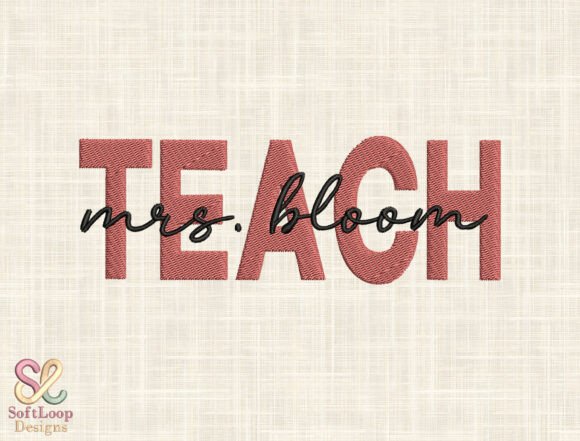
The first thing that strikes you about the Personalized TEACH Embroidery Design is its texture. The description highlights "bold, textured" lettering, and in the world of embroidery, texture is everything. Flat satin stitches can look cheap if not executed perfectly, but a design that incorporates varied stitch angles and densities creates depth. This design feels premium rather than playful or cute. It leans towards a sophisticated, minimalist aesthetic that appeals to modern teachers who want to represent their profession without wearing a cartoon apple.
For a Back To School collection, this distinction is vital. Many educators are moving away from juvenile motifs in favor of clean, typographic statements. This design fits that trend. It feels classic yet trendy, making it versatile enough for a twenty-something student teacher or a veteran professor. The visual mood is professional, confident, and understatedly chic.
Apparel Applications and Placement Strategy
When planning a collection, I always consider how a design translates across different garments. Here is how I envision using this embroidery file in a real-world production scenario:
- Sweatshirt and Hoodie Chest Placement: This is the safest and most popular option. On a neutral cream or heather grey hoodie, the bold texture of the word TEACH stands out beautifully. I recommend keeping the size moderate—large enough to be legible, but small enough to maintain that boutique feel. A left-chest placement works best for a subtle, professional look.
- Sleeve Accents: If the design allows for resizing without losing stitch integrity, placing it on the lower sleeve of an oversized sweatshirt adds a unique detail. This is a huge trend in streetwear-inspired teacher apparel. However, you must be mindful of the curve of the arm and ensure your stabilizer choice prevents puckering.
- Tote Bag Design: Canvas tote bags are a staple for teachers. The dense, textured nature of this design would hold up well against the rougher fabric texture of canvas. It transforms a simple bag into a functional piece of handmade product art.
- Denim Jackets: For a rugged, durable look, this design shines on denim. The contrast between the soft threads and the sturdy fabric creates a lovely tactile experience. Just ensure you use a heavy-duty needle and appropriate stabilizer to handle the thickness.
For those creating Etsy listings, remember that lifestyle product photos sell the dream. Imagine this design on a cozy, oversized oatmeal sweater paired with a coffee cup and lesson planner. These printable mockup scenarios help customers visualize the finished product in their daily lives.
Technical Considerations for Production
While the aesthetic appeal is strong, technical execution is where many projects fail. Before running this design on your final garment, there are several critical steps to take. Since the specific stitch count and exact file formats are not detailed in the brief description, you must confirm these details on the Creative Fabrica product page before purchasing. Knowing whether you have access to PES, DST, or JEF files is crucial for your machine compatibility.
Here are my practical notes for testing:
- Test on Scrap Fabric: Never skip this step. Run the design on the same type of fabric you plan to sell. If you are doing hoodie design work, test on fleece. If you are doing t-shirts, test on jersey knit.
- Stabilizer Choice: For stretchy fabrics like fleece or ribbed knits, a cut-away stabilizer is non-negotiable. It provides the necessary support to prevent the design from distorting after washing. For woven fabrics like tote bags or denim, a tear-away might suffice, but given the "bold" nature of the design, a cut-away ensures longevity.
- Thread Color Contrast: Because the design relies on texture, thread choice is key. Monochromatic looks (e.g., white thread on a white sweatshirt) create a subtle, tonal effect that screams luxury. High-contrast colors (e.g., navy thread on a yellow shirt) make a bold statement. Consider your target audience’s preferences.
- Hoop Size and Density: Check the required hoop size. If the design is large, you may need a 5x7 or 6x10 hoop. Inspect the stitch density in your software. If it is too dense for lightweight fabrics, it may cause puckering. Adjust your tension settings accordingly.
Brand Value and Commercial Potential
Using a high-quality design like the Personalized TEACH Embroidery Design directly impacts your brand identity. In the crowded market of commercial embroidery, consistency and quality build buyer trust. When a customer receives a garment with clean, well-digitized stitching, they are more likely to leave a positive review and return for future purchases.
This design helps establish visual consistency. If your boutique brand focuses on modern, minimalist educator apparel, this piece fits seamlessly. It avoids the cluttered look of multi-color cartoons, allowing you to focus on garment quality and fabric choice. This professionalism enhances product recognition. Customers begin to associate that specific textured, bold typography with your shop.
Furthermore, this design supports higher price points. A generic iron-on transfer might sell for fifteen dollars, but a professionally embroidered sweatshirt can command thirty-five to fifty dollars or more. The perceived value of embroidery is higher because it is durable, tactile, and clearly handmade. By leveraging this Embroidery asset, you are not just selling a shirt; you are selling a piece of wearable art that celebrates the educator’s role.
Final Verdict for Boutique Owners
The Personalized TEACH Embroidery Design is a strong contender for any Etsy seller or small clothing brand targeting the education sector. Its strength lies in its versatility and modern aesthetic. It moves beyond the typical clichés of the industry, offering a sophisticated alternative that appeals to a broader demographic.
However, success depends on execution. Do not assume the file is perfect for every fabric. Take the time to understand the license terms provided by Creative Fabrica to ensure you are compliant for commercial embroidery sales. Test your stabilizers, refine your thread palettes, and photograph your samples in natural light. If you treat this design with the respect it deserves, it can become a cornerstone of your Back To School and year-round collections. It is a tool that, when used wisely, can significantly enhance your portfolio and drive customer engagement.